Front Squats vs. Back Squats
The back squat and front squat are two of the most powerful lifts for building lower-body strength, but they challenge your muscles in different ways. Knowing the key differences between the back squat and front squat helps athletes train smarter, avoid injuries, and get stronger faster. But what are the differences?
The Back Squat
The back squat requires the athlete to place the bar on the back of the neck, sitting on the traps. This positions the bar and weight distribution in line with the spine, directly over the athlete’s center of gravity. In this position, the athlete is able to control the barbell with greater ease.
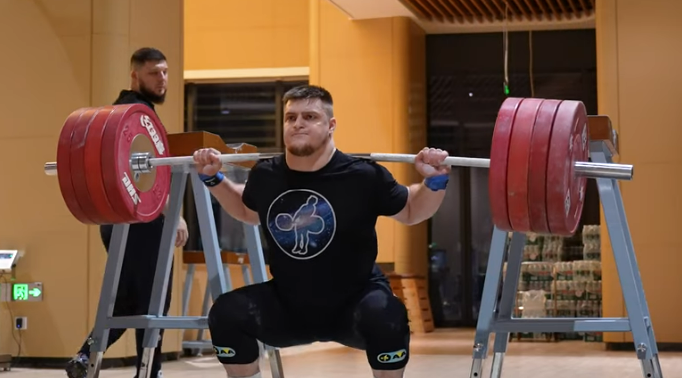
Some argue that the weight factor makes the back squat better than the front squat. Because more weight can be lifted using the back squat, the logic is that it can develop more muscle. The back squat does recruit slightly more musculature than the front squat, and it requires the hamstring and glute muscles more than the front squat. Thus, the back squat develops the glutes and hamstrings slightly more than the front squat.
The Front Squat
On the other hand, the front squat puts a unique forward pull on the body that the athlete must resist. This is because of the weight placed on the shoulders in front of the neck. The forward pull requires the athlete to use more quadriceps and core activation to keep the bar from falling forward. Therefore, it can be argued that the front squat develops the quads and abs more than the back squat.
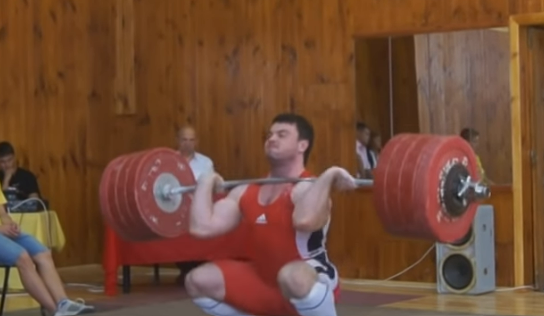
The front squat also helps the athlete prepare for the receiving position of the clean. Thus, the more repetitions and weight an athlete can front squat correctly, the more likely the athlete is to possess a better receiving position, or “catch,” in the clean.
Back Squat vs. Front Squat: Which Is Best for You?
In terms of the back squat vs. the front squat, it’s not a case of one being a clear winner over the other. Both techniques can be highly effective at building and developing muscle, but serve different goals better.
The back squat has an edge when it comes to glute and hamstring development. On the other hand, the front squat is better at developing the quads and improving core strength. Ultimately, the best choice will come down to the goals of the athlete and the demands of their sport. Ultimately, the best choice may also include a workout plan that features both lifts.
If you’re looking for a program that incorporates principles like these, sign up for The Moffitt Method today. We make online strength and conditioning programs for high schools and colleges that get athletes stronger, healthier, and help you win more championships.
Written by Matt Bruce, 2 two-time Olympic alternate and strength coach for over a decade.